
How to Be a Man, That is The Question
On the presence, absence, and contradictions of the men who shape us.

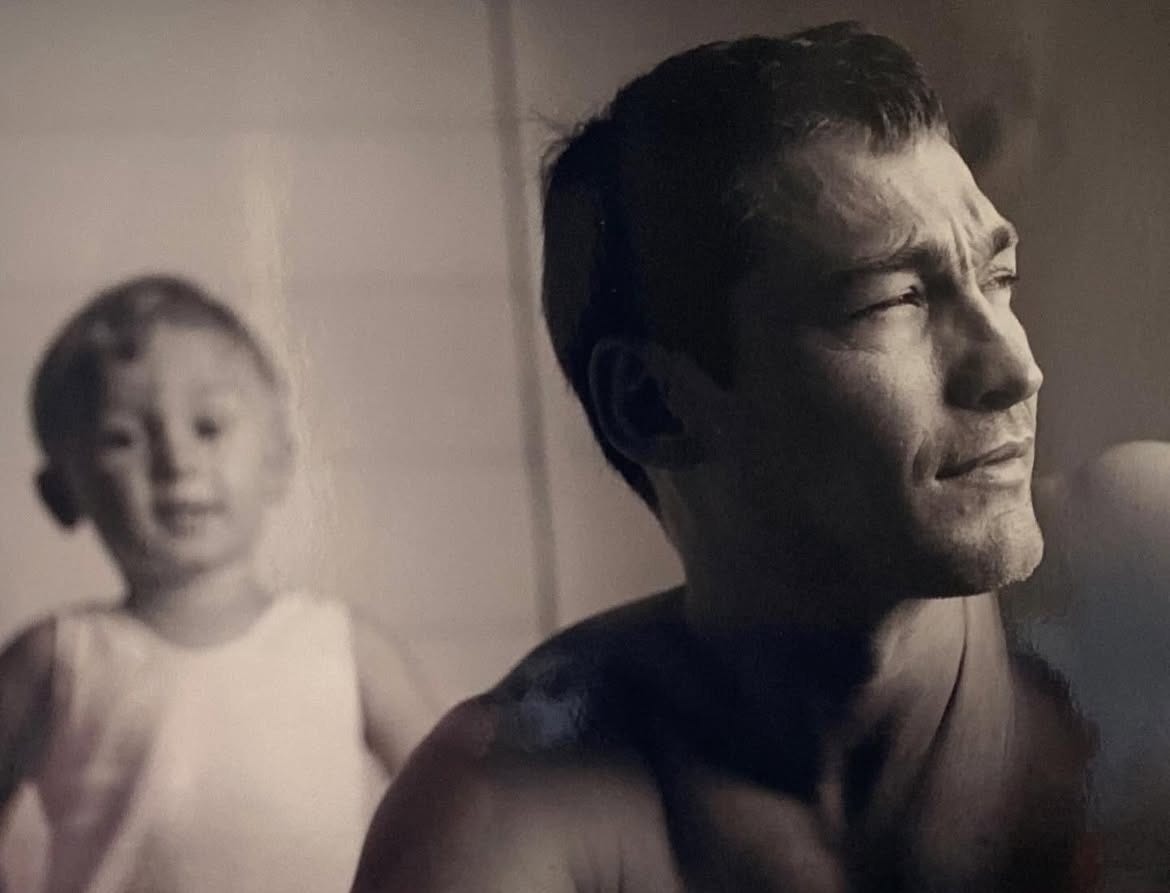
This could be a photograph from the 1940s, or the early 2000s.
Andy sits at the window, gazing outward.
Jesse, tiny in the background, watches him.
There’s something timeless about it—not in its aesthetic, but in what it quietly captures: a moment of unspoken transmission. One man’s presence. One boy’s observation. And the invisible thread between them.
Years later, I still see Andy’s way of moving in Jesse. The same expressions. The same pause before speaking. The same way of scanning a room. It’s not just genetics. It’s something else. Something deeper. A kind of inherited emotional blueprint, passed on not only by what is said, but more often by what is silently modelled.
And this is part of why I feel the pull—no, the urgency—to create this men’s program now.
Because what shapes boys into men isn’t a single conversation or lesson — it’s a thousand invisible moments.
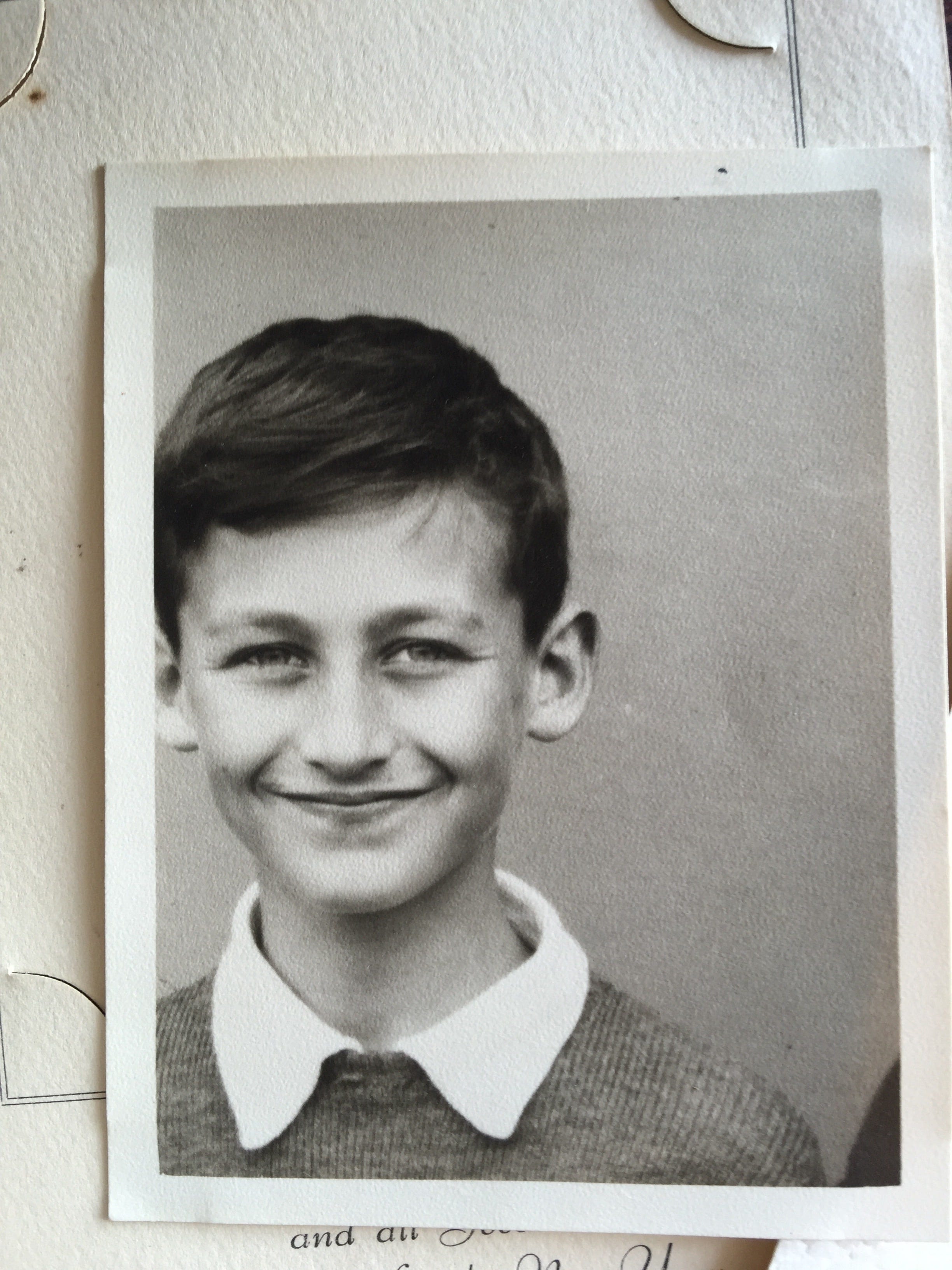
(From the archives: Andy’s dad — Jesse’s grandfather).
The year Andy and I left London for Australia in 1998, his father sobbed into Andy’s neck and said, “I love you.”
It was the first time he’d said it out loud. For 26 years, his love had been expressed through action — disappearing into the garage to pull out a science project, fixing things, working and working and working. He was an only child himself, who had spent much of his own boyhood alone from a young age.
In early childhood, boys are most influenced by parents and caregivers. By early adolescence, their gaze shifts. Peers, coaches, older boys, and public figures start to shape them more. And in that shift, the messages can split like fault lines.
Be strong, but don’t be hard.
Show emotion, but not too much.
Stand out, but don’t take up too much space.
Lead, but never dominate.
Reveal just enough of the wound to prove you have one, but not enough for anyone to see it bleed.
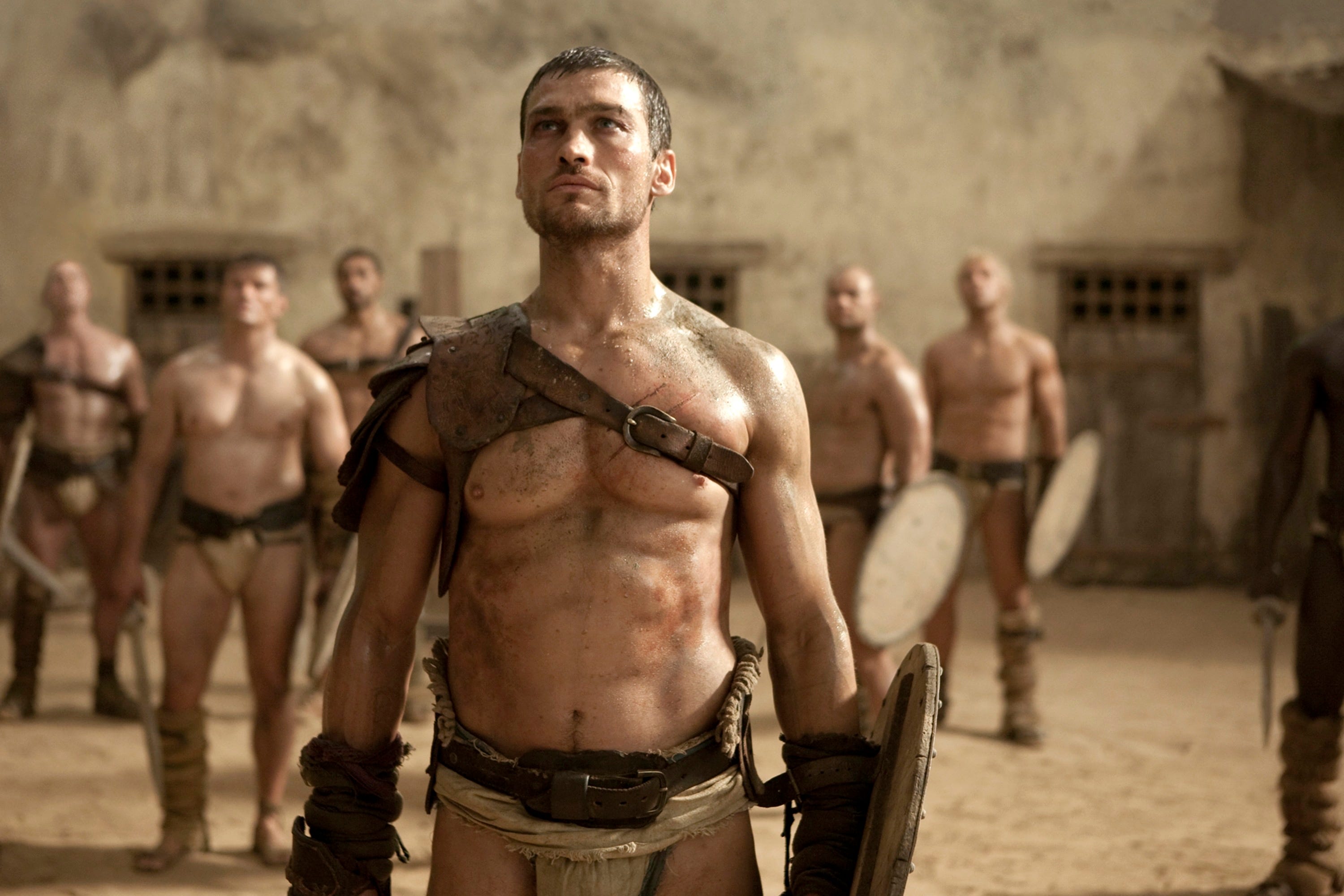
(From the archives: Andy and Jai on the set of Sparatucus - Blood and Sand, 2009).
And, of course, look the part. Be lean, fit, muscular.
I’ve even heard my own daughter, in her tender navigation of emotions and grief, wrestle with these contradictions. How easily tears or softness can still be read — even by the young — as weakness. How quickly vulnerability gets weighed against appearance, against the armour of looking “strong.”
I believe we are living in one of the most confusing and isolating times in history for men and boys. We want them to undo generations of outdated conditioning, while still expecting them to perform within it. We tell them to be emotionally fluent, but often respond with discomfort or judgement when they are.
In my coaching rooms, I’ve sat with men who are adored publicly yet unknown privately. Men whose fathers were physically present but emotionally absent. Men whose role models taught them success but not how to sustain joy. Men who have buried grief so deep it leaks out as rage, withdrawal, or restlessness.
I’ve also seen what happens when those men begin to name it. When they finally trace the inheritance — the grief, the pride, the duty, the permission, the absence — and decide what stays and what goes. When they stop living by someone else’s blueprint.
That photograph of Andy and Jesse keeps circling back because it reminds me: what we learn about masculinity—about being dependable, tender, driven, or emotionally restrained—comes not just from what we’re told, but from what we see. Who we watch. Who we follow. Who we long to be like. And just as importantly, who we continue to allow to shape us now.
And I will forever be grateful for those who have stepped into Jesse’s life in the shape of the men they are—unapologetically themselves, strong and kind, brave but not for the reasons you might expect. Vulnerable, fearless, loud, quiet. There have been many role models in the absence of his father, in our friends and family. Some have taught through who they are, and some through who they are not.
But most of all, I am grateful that my son knew his dad as both soft and kind — a six-pack, sword-wielding Spartacus and a hairless, vulnerable human who shared his fear as openly as his strength.
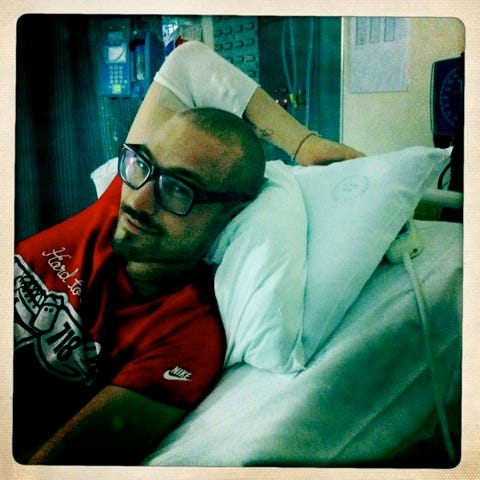
Because nothing changes if nothing changes.
This work isn’t about redefining manhood. It’s about mapping its inheritance. Making space to ask: What did I learn about being a man, and from whom? What have I been carrying that isn’t mine? Who do I still allow to shape me? And what am I ready to reimagine?
We don’t become who we are alone. This is a space to reckon with who shaped us, and who we want to become now.
Nothing but love,
VW